Department of English Organises

National Conference on
Graphic Narratives in Cultural Transitions

15th & 16th October 2026  •  Kristu Jayanti (Deemed to be University), Bengaluru  •  Hybrid Mode

Kristu Jayanti (Deemed to be University)

Kristu Jayanti (Deemed to be University), Bengaluru, is a leading institution of higher education committed to academic excellence, research, innovation, and value-based education. Established in 1999 as an affiliated college under Bangalore University, it is administered by the Bodhi Niketan Trust of the St. Joseph Province, Kottayam, of the Carmelites of Mary Immaculate (CMI), the first indigenous Catholic religious congregation in India. The institution draws inspiration from the vision of Saint Kuriakose Elias Chavara (1805–1871), whose educational philosophy emphasized knowledge, social responsibility, and holistic human development. The institution attained autonomous status in 2013 and, on 8 July 2025, was conferred the status of Deemed to be University under Section 3 of the UGC Act, 1956, by the Ministry of Education, Government of India. Kristu Jayanti has consistently earned recognition for its academic quality, receiving the highest NAAC A++ accreditation in 2021 and securing the 34th rank in the NIRF 2025 College category. Its Institute of Management is accredited by the Accreditation Council for Business Schools and Programs (ACBSP), USA, while its science programmes have been recognized with the DBT Star College status. With a strong emphasis on interdisciplinary learning, research, global engagement, and community service, Kristu Jayanti continues to nurture competent professionals, ethical leaders, and socially responsible citizens.

Department of English

The Department of English at Kristu Jayanti (Deemed to be University), Bengaluru, is a dynamic centre for the study of language, literature, culture, and communication. Committed to academic excellence, holistic education, and professional development, the department offers undergraduate and postgraduate programmes that integrate traditional literary studies with emerging interdisciplinary perspectives. The curriculum encompasses British, American, Indian, European, and Non-European Literatures, Literary Criticism and Theory, Cultural Studies, Phonetics and Linguistics, English Language Teaching, and contemporary developments in literary and cultural studies, enabling students to engage critically with diverse texts, ideas, and global issues. The department fosters an intellectually stimulating environment through experiential and participatory learning. Students actively engage in theatre productions, live exhibitions, digital humanities initiatives, literary festivals such as Delphia, the intracollegiate fest Oberiu, international lecture series, seminars, conferences, and workshops on creative writing, technical writing, content writing, translation, public speaking, and interarts studies. Language laboratories, established in collaboration with Cambridge Assessment, strengthen learners' listening, speaking, reading, and writing skills while preparing them for Linguaskill certification. With a vibrant academic community comprising students from diverse cultural and linguistic backgrounds, the department promotes critical inquiry, creativity, intercultural competence, and ethical leadership. Through research, innovation, international collaborations, and co-curricular initiatives, the Department of English equips students with the knowledge, communication skills, and global outlook required to excel in academia, industry, and the broader cultural landscape, while nurturing socially responsible individuals committed to lifelong learning.

Concept Note

“Graphic Narratives has become part of an expanding literary field, absorbing and redirecting the ideological, formal, and creative energies of contemporary fiction.”

— (Chute and DeKoven, 768)

We live amid an unprecedented saturation of images, illustrations, comics, memes, films, advertisements, street arts, graffiti and algorithmically generated pictures circulate across print, screen, and public space with a speed and density that has fundamentally altered how meaning is made, contested, and consumed. The graphic as image, form, surface, and technology of visualising no longer merely situates itself at the margins of culture as illustration; it has rather become a primary mode through which societies narrate themselves, negotiate identity, and enact power.

The proposed conference, “Graphic Narratives in Cultural Transitions,” contemplates on the premise that graphic forms are not passive reflections of social reality but active agents in shaping it. Such narratives produce subjectivities, reinforce or sometimes destabilise hierarchies, and even archive historical change. The aim of the conference is to foster interdisciplinary dialogue between literary studies, visual cultures, media studies, and cultural studies...
Read more

Call For Papers

We invite original research papers from academicians, researchers, and practitioners for the two-day Conference, focusing on but not limited to the following sub themes:

  • Memory, Trauma, and Testimony in Literature and Graphic Narratives
  • Graphic Narratives as Literary Form
  • Representation, Identity, and Marginality
  • Diaspora, Migration, and Cultural Hybridity
  • Adaptation and Intermediality
  • Politics of Representation: Satire, Censorship, and Dissent
  • Archiving Culture: Pedagogy, Canon, and New Media
  • Apocalyptic and Post-Apocalyptic Cultures: Memory, Survival, and Reconstruction
  • Graphic Narratives of Apocalypse, Climate Crisis, and Environmental Memory
  • Imagining the End: Apocalypse, Utopia, and Cultural Transformation
  • Memory, Technology, and Digital Futures in Speculative Narratives
  • Hope, Survival, and Ethical Futures in Post-Apocalyptic Narratives
  • Speculative Graphic Narratives and Alternative Histories
  • Borders, Migration, and Identity in Apocalyptic and Post-Apocalyptic Worlds
  • Religion, Graphic Narratives, and Visual Narratives
  • Religion, Peacebuilding, and Cultural Reconciliation
  • Comic Studies
  • Science Fiction and Graphic Visuality
  • Graphic Medicine
  • Visual art, interpretations and narratives

Resource Persons

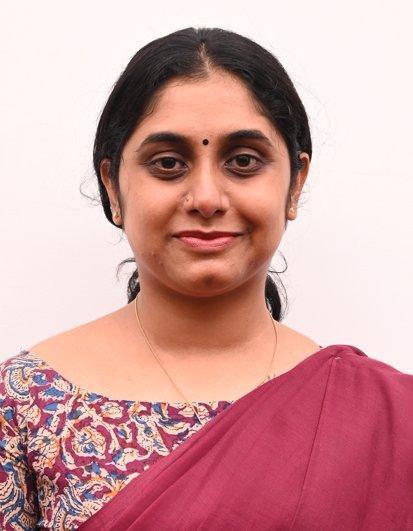
Dr. Priyanka Tripathi

Associate Professor

Indian Institute of Technology, Patna

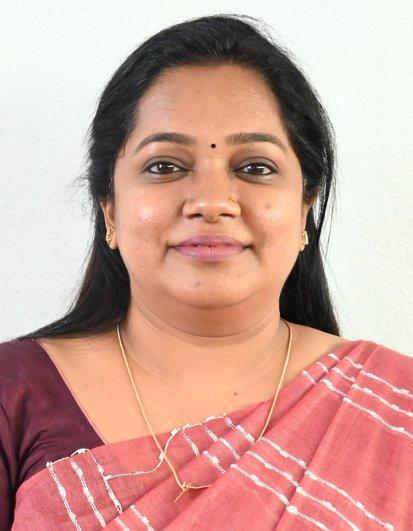
Dr. Sathyaraj Venkatesan

Professor

National Institute of Technology, Tiruchirappalli

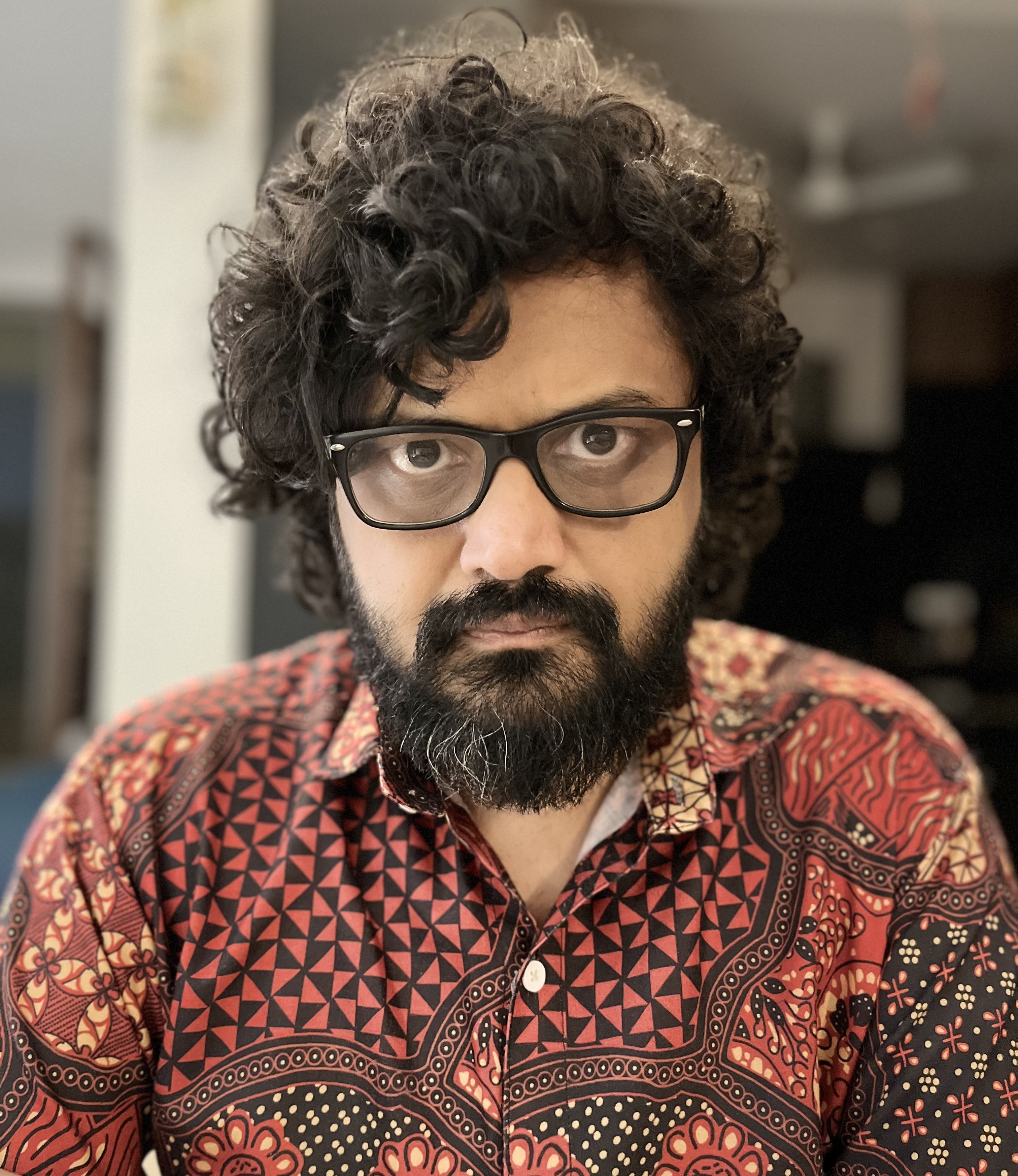
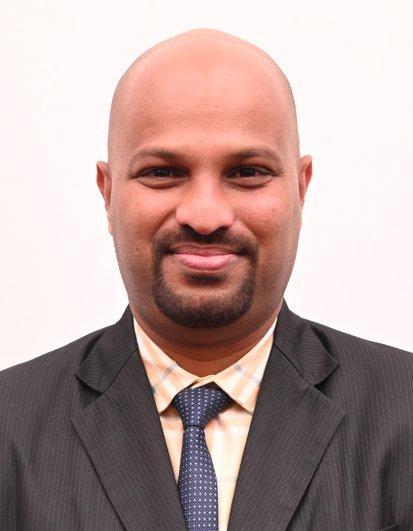
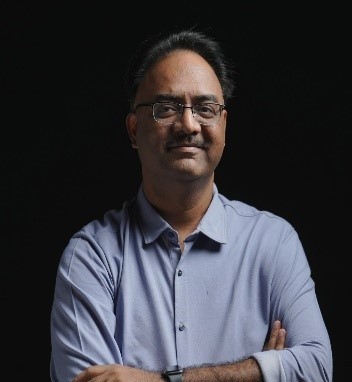
Jai Undurti
Mr. Jai Undurti

Graphic Novelist & Journalist

India

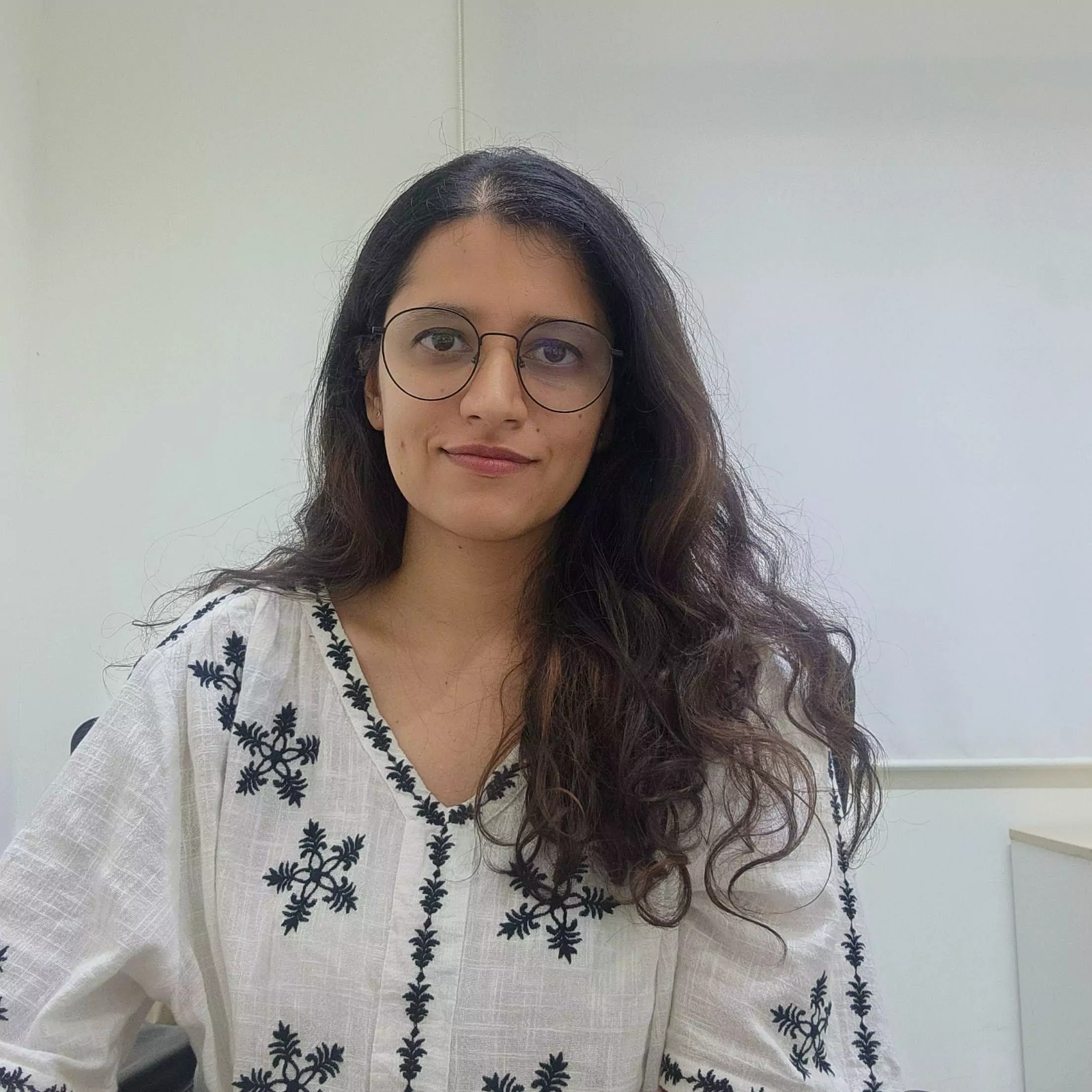
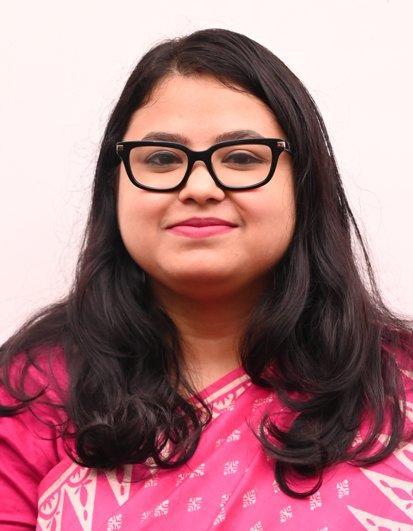
Dr. Shriya Raina
Dr. Shriya Raina

Assistant Professor

Birla Institute of Technology, Pilani

Important Dates

Event Milestone Date
Last Date for Abstract Submission 05/10/2026
Acceptance of Abstract 10/10/2026
Last Date for Full Paper Submission 12/10/2026
Last Date for Registration 13/10/2026

Registration Fee

Category Students and Research Scholars Faculty Members & Industrial Delegates
Participation (Offline) ₹ 600 ₹ 800
Participation & Presentation (Offline) ₹ 800 ₹ 1000
Participation (Online) ₹ 400 ₹ 700
Participation & Presentation (Online) ₹ 600 ₹ 900

Submission Guidelines

  • Abstract Details: Abstracts are to be accompanied with the following details: Name (with salutation), Institutional Affiliation, Contact Number, E-mail ID, Paper Title and Author’s Bio-note. The abstract must not exceed 250–300 words.
  • Manuscript Formatting Specifications:
    • Formatting Style: APA 7th Edition
    • Line Spacing: Single space
    • Font: Times New Roman
    • Font Size: 10
    • Number of words: 3000–5000 words (sent as an MS Word file)
  • The submission should spell out the theme of research, theoretical framework, the method used, and contribution to the field.
  • Soft copy of the abstract and full paper should be sent as an email attachment to: engnc26@kristujayanti.com
  • All the presenters must register individually for the paper presentation sessions to be considered as a part of the conference and to avail certificates for the same.
  • Certificates: Certificates will be issued only if the participants attend all sessions.
  • Publication: Only unpublished, original papers adhering to the themes of the conference will be considered for Peer Review and publication. All accepted papers from registered participants will be published in Taylor & Francis Conference Proceedings after the peer review process, with publication charges as per the guidelines of T&F. Publication details will be communicated to the author(s) of the selected paper via mail.
  • Required Headings for Full Paper:
    • Abstract with Keywords
    • Introduction
    • Review of Literature
    • Methodology & Discussion
    • Conclusion
    • Scope for Further Research
    • Acknowledgements
    • References

Peer Review Process

  • Plagiarism strictly less than 10% (excluding quotes and critical comments).
  • Usage of AI: Zero Tolerance.
  • A Committee is formed to adhere to prescribed guidelines (Committee members external and internal).
  • Papers will be double blind and peer reviewed, formatting and structure of the papers will be maintained as per Taylor & Francis guidelines.
  • While the complete manuscripts are submitted, the count of the articles which are rejected will be mentioned.

Publication Ethics & Malpractice Statement

At the National Conference on Graphic Narratives in Cultural Transitions, 2026, we are committed to maintaining the highest standards of integrity and ethical conduct in the publication of our conference proceedings. We expect all authors, reviewers, and editors involved in our publication process to adhere to the following ethical guidelines to ensure the credibility, reliability, and academic integrity of our work.

Authors' Responsibilities
  1. Originality and Plagiarism: Authors must ensure that their work is entirely original and properly cite the work and/or words of others. Plagiarism in all its forms constitutes unethical publishing behaviour and is unacceptable. We mandate a plagiarism of < 10% for the work submitted. Falsification and fabrication of data(s) is not accepted. Usage of AI and violation of Research ethics is not acceptable.
  2. Acknowledgment of Sources: Proper acknowledgment of the work of others must always be given. Authors should cite publications that have been influential in determining the nature of the reported work.
  3. Authorship of the Paper: Authorship should be limited to those who have made a significant contribution to the conception, design, execution, or interpretation of the reported study. All those who have made significant contributions should be listed as co-authors. A maximum of 3 co-authors is fairly acceptable.
  4. Disclosure and Conflicts of Interest: Authors should disclose any financial or other substantive conflicts of interest that might be construed to influence the results or interpretation of their manuscript. All sources of financial support for the project should be disclosed.
  5. Data Access and Retention: Authors may be asked to provide the raw data of their study for editorial review and should be prepared to provide public access to such data if practicable. They should in any event be prepared to retain such data for a reasonable time after publication.
  6. Reporting Standards: Authors should present an accurate account of the work performed as well as an objective discussion of its significance. Underlying data should be represented accurately in the paper. A paper should contain sufficient detail and references to permit others to replicate the work.
  7. Multiple, Redundant, or Concurrent Publication: Authors should not generally publish manuscripts describing essentially the same research in more than one journal or primary publication. Submitting the same manuscript to more than one journal concurrently constitutes unethical publishing behaviour and is unacceptable.
Reviewers' Responsibilities
  1. Confidentiality: Reviewers must treat the manuscript received for review as confidential documents. They must not be shown to or discussed with others except as authorized by the editor.
  2. Acknowledgment of Sources: Reviewers should identify relevant published work that has not been cited by the authors. Any statement that an observation, derivation, or argument had been previously reported should be accompanied by the relevant citation.
  3. Standards of Objectivity: Reviews should be conducted objectively. Personal criticism of the author is inappropriate. Reviewers should express their views clearly with supporting arguments.
  4. Promptness: Any reviewer who feels unqualified to review the research reported in a manuscript or knows that its prompt review will be impossible should notify the editor and excuse themselves from the review process.
  5. Disclosure and Conflict of Interest: Unpublished materials disclosed in a submitted manuscript must not be used in a reviewer’s own research without the express written consent of the author. Privileged information or ideas obtained through peer review must be kept confidential and not used for personal advantage.
Editors' Responsibilities
  1. Publication Decisions: The editor is responsible for deciding which of the articles submitted to the conference proceedings should be published. The validation of the work in question and its importance to researchers and readers must always drive such decisions.
  2. Fair Play: An editor should evaluate manuscripts for their intellectual content without regard to the race, gender, sexual orientation, religious belief, ethnic origin, citizenship, or political philosophy of the authors.
  3. Confidentiality: The editor and any editorial staff must not disclose any information about a submitted manuscript to anyone other than the corresponding author, reviewers, potential reviewers, other editorial advisers, and the publisher, as appropriate.
  4. Disclosure and Conflicts of Interest: Unpublished materials disclosed in a submitted manuscript must not be used in an editor’s own research without the express written consent of the author. Privileged information or ideas obtained through peer review must be kept confidential and not used for personal advantage.

By adhering to these ethical guidelines, National Conference on Graphic Narratives in Cultural Transitions, 2026, strives to ensure the integrity and quality of its conference proceedings, fostering a culture of trust, respect, and academic excellence.

Advisory Committee

Dr. Neha Arora

Head & Associate Professor

Department of English, Central University of Rajasthan

Dr. Bhoopati P

Assistant Professor

Department of English, Central University of Tamil Nadu

Dr. Vijay Kumar Roy

Professor

Department of English, University of Allahabad

Dr. Pinaki Roy

Professor

Department of English, Raiganj University, West Bengal

Dr. Daisy Gohain

Assistant Professor

School of Social Sciences and Languages (SSL), Vellore Institute of Technology, Chennai Campus, Chennai

Mr. Rohan Chakravarty

Illustrator & Novelist

Organizing Committee

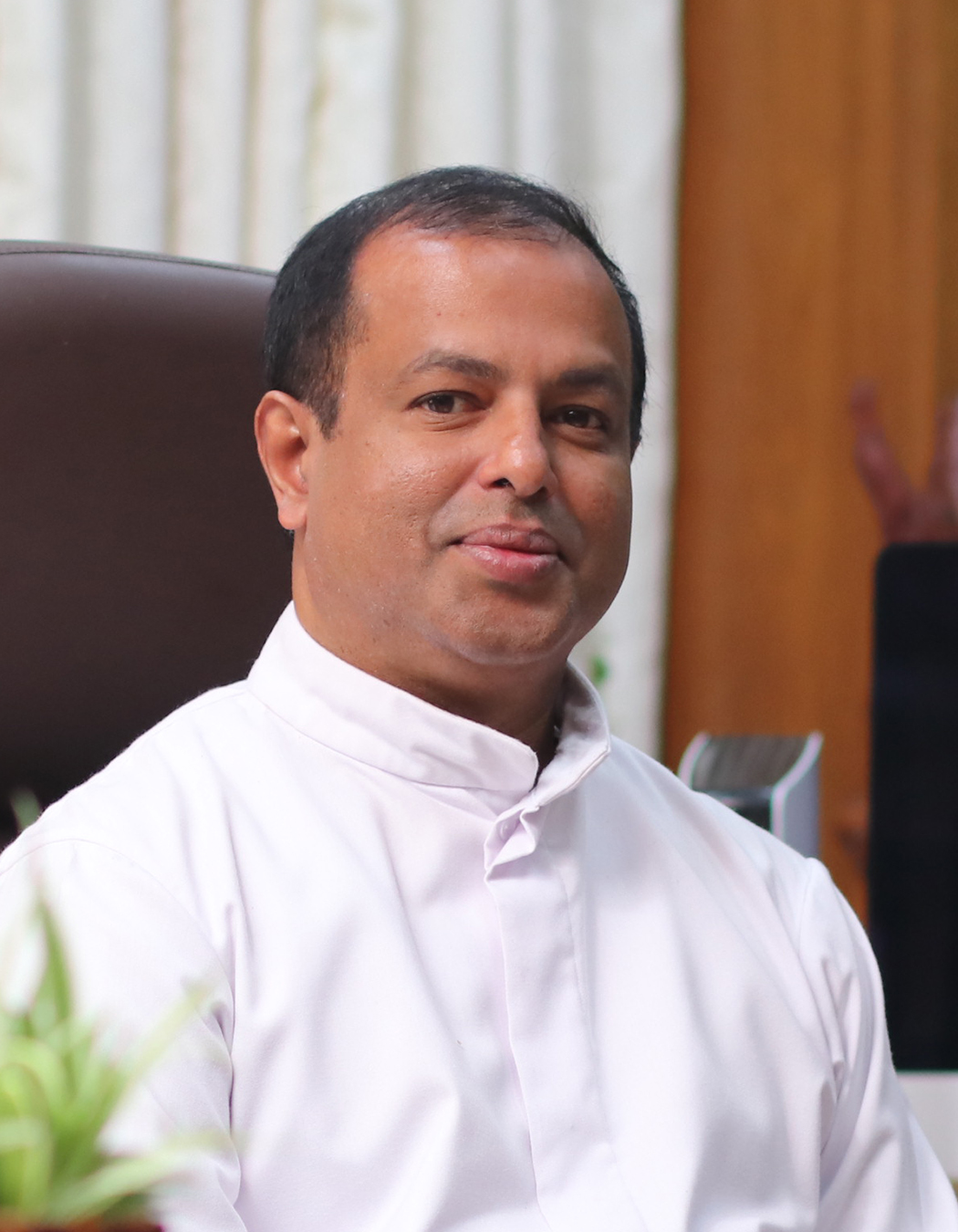
Chief Patron
Fr. Dr. Augustine George CMI

Vice Chancellor

Patrons
Fr. Lijo P. Thomas CMI

Pro Vice Chancellor

Fr. Jais V. Thomas CMI

Chief Finance Officer

Fr. Joshy Mathew CMI

CHRO & Dir., SHSS

Conference Chair
Dr. Gopakumar A.V
Dr. Gopakumar A.V

Dean, Faculty of Humanities

Co-Chairs
Dr. Sreedevi Santosh

Associate Professor & Head

Dr. Saranya Narayanan

Assistant Professor & Coordinator, Department of English (PG)

Dr. Jerrin Jose
Dr. Jerrin Jose

Assistant Professor & Coordinator, Department of English (UG)

Conference Convenors
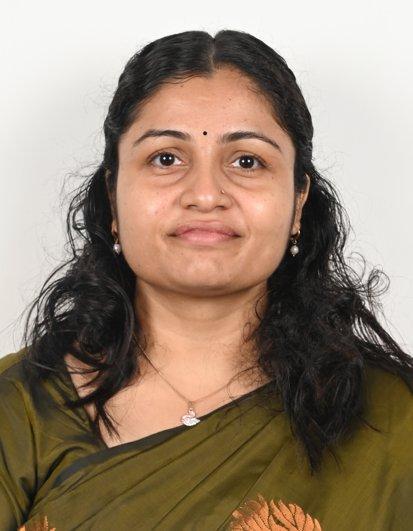
Dr. Uma Maheswary
Dr. Uma Maheswary

Assistant Professor

Dr. Irona Bhaduri
Dr. Irona Bhaduri

Assistant Professor

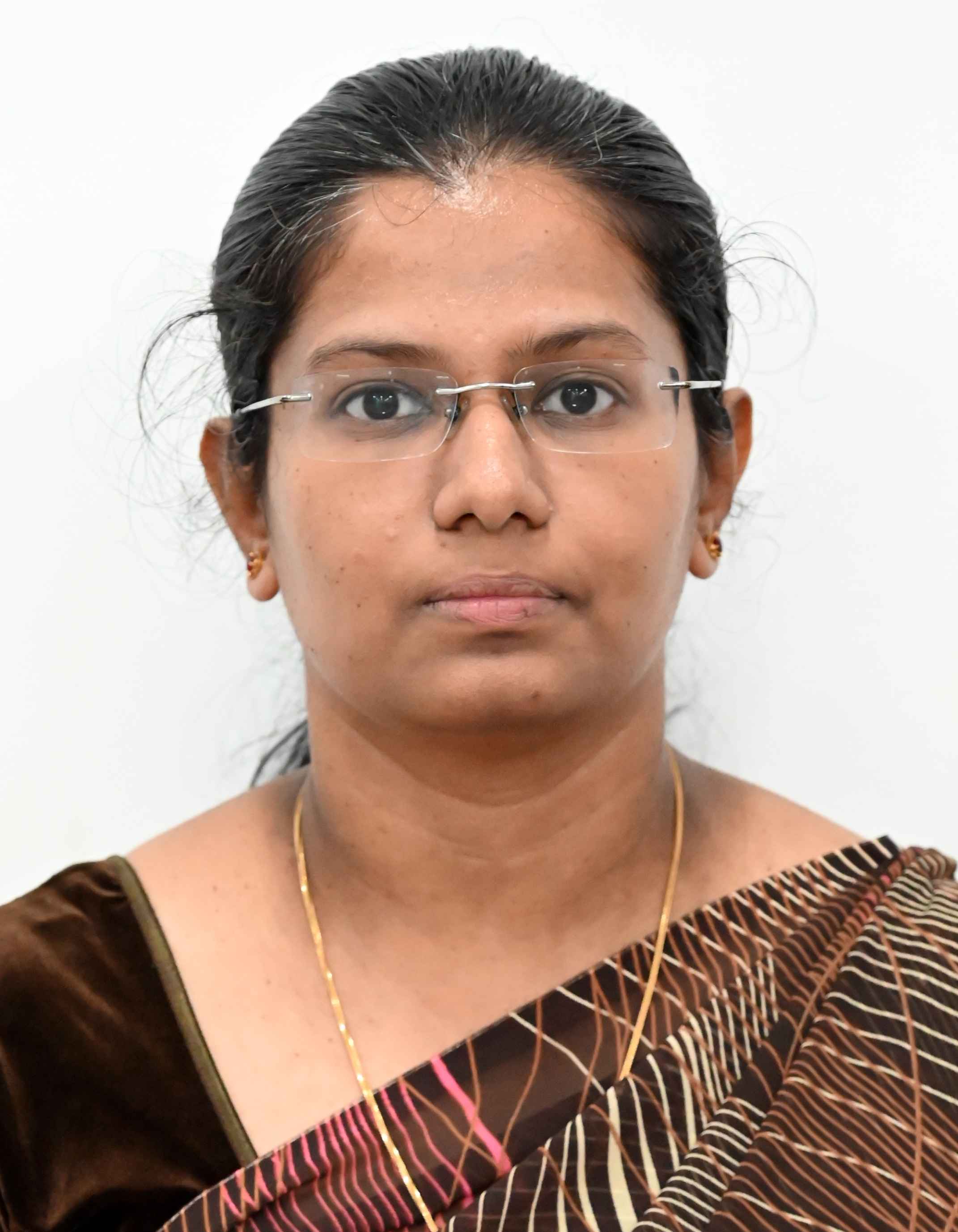
Dr. Krishnapriya M
Dr. Krishnapriya M

Assistant Professor

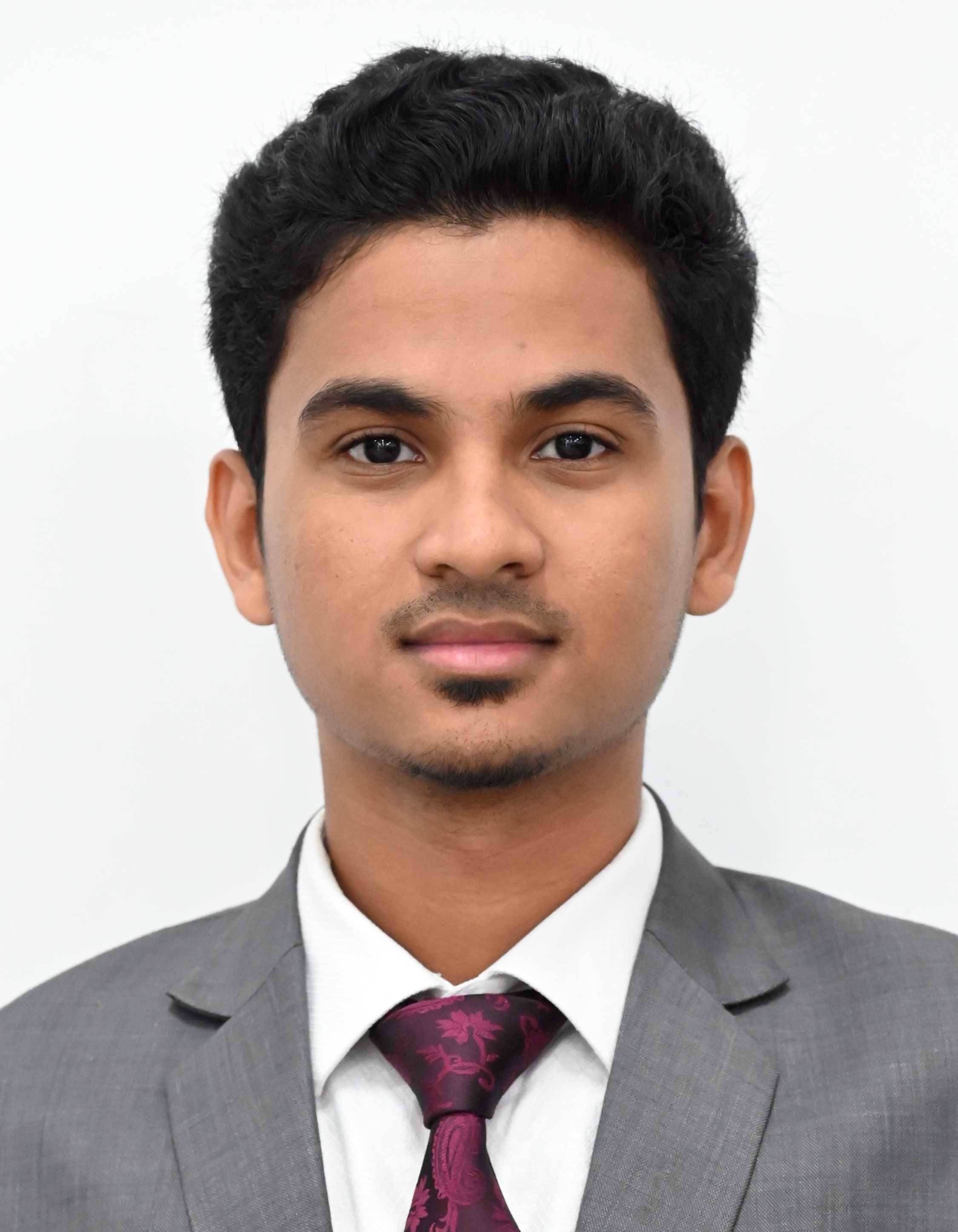
Dr. David Paul S
Dr. David Paul S

Assistant Professor

Dr. Hephzibah Preethika F

Assistant Professor

Contact Information

For Queries, Please Contact:
Dr. Uma Maheswary
Phone: 8848574611
Dr. Irona Bhaduri
Phone: 8101231717
Dr. Krishnapriya M
Phone: 8547889545
Dr. David Paul S
Phone: 7358942490
Dr. Hephzibah Preethika F
Phone: 9597742576

Paper Submission Email:

Online Registration Portal:

Register on University System →

University Website:

www.kristujayanti.edu.in

Institution Address:

Kristu Jayanti (Deemed to be University)
K. Narayanapura, Kothanur P.O.
Bengaluru – 560077, Karnataka, India.