















Human Cancer Genomes Harbor the Mutational Signature of Tobacco-Specific Nitrosamines NNN and NNK
New Study Identifies a Distinct Cancer-Causing Signature Left by Tobacco-Specific Chemicals in the Genome
Tobacco smoke contains two potent cancer-causing chemicals, NNN and NNK, which are known to damage DNA by forming what scientists call pyridyloxobutyl adducts. Until now, however, it was not well understood exactly what genetic "fingerprint," or mutational signature, this damage leaves behind in human cancers.
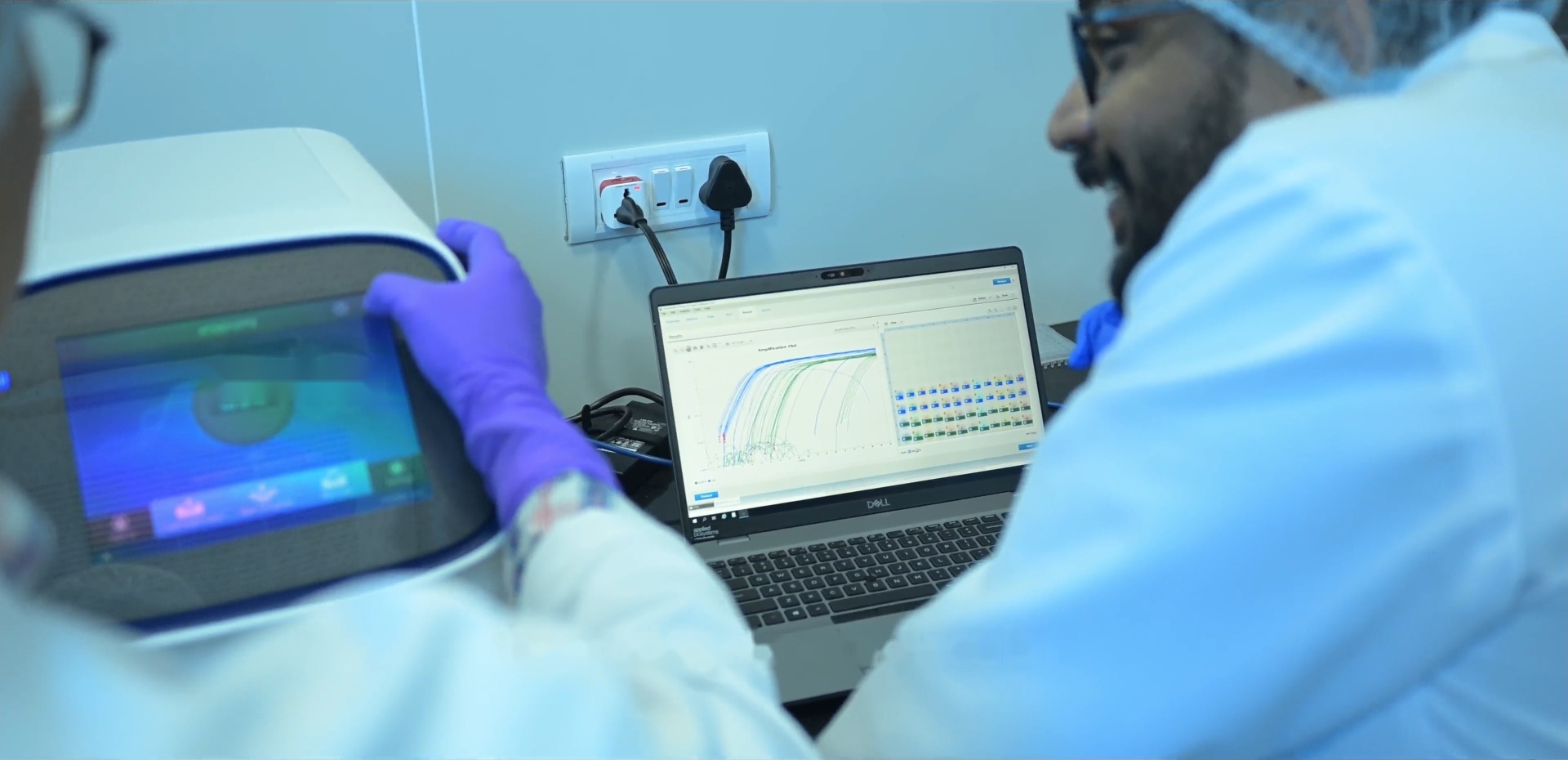
In this study, researchers used advanced genome-sequencing techniques on cell lines and animal models exposed to these tobacco-specific chemicals, and compared the resulting DNA changes to the damage these chemicals are known to cause. This allowed them to define, for the first time, a genome-wide mutational signature specific to this type of tobacco-linked DNA damage.
Applying this signature to close to 6,670 human cancer genomes drawn from two major international cancer-genome databases, the team found this distinct signature in roughly 350 tumors from tissues linked to smoking. Notably, this signature was clearly different from the two mutational signatures already known to be associated with tobacco smoking. It also turned up in cancer types not traditionally associated with smoking-related mutations, including cancers of the blood, kidney, prostate, pancreas, and breast, whereas the previously known smoking-related signatures were mostly confined to cancers of the lung, liver, head and neck, and bladder.
This is the first study to provide clear genomic evidence of a mutational signature specific to tobacco-specific nitrosamines in human tumors, expanding our understanding of how tobacco exposure damages the genome well beyond the organs most commonly linked to smoking.