Certificate / Add-on Courses
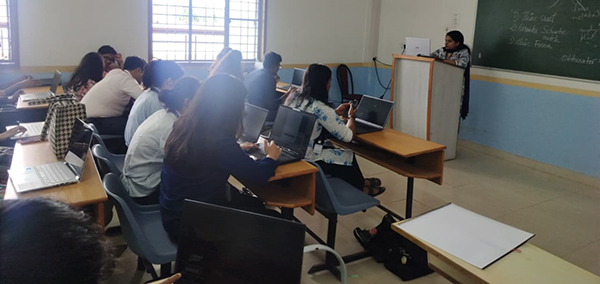
Value-Added Course on " Tools for Research and Reference Management"
Date: 16 to 22 July 2026
The Department of Forensic Science, School of Biological and Forensic Sciences organised a Value-Added Course (VAC) titled "Tools for Research and Reference Management" from 16th to 22nd July 2026 for the III Semester M.Sc. Forensic Science students. The course was conducted with the aim of enhancing students’ knowledge and practical skills in using digital tools for effective literature management, citation organization, and research documentation.
The sessions were conducted by faculty members who introduced students to various reference management tools and their applications in academic research. The course covered essential aspects of literature search, collection, organization, and management of research articles. Students were trained in the use of reference management software such as Mendeley, including creating libraries, importing references, organizing research papers, annotating PDFs, and generating citations and bibliographies.
Special emphasis was given to citation management, citation styles, reference formatting, and the use of tools such as Mendeley Web Importer and citation plugins for improving research writing efficiency. Students were also introduced to concepts related to Open Access publishing, Article Processing Charges (APC), hybrid journals, and subscription-based publication models to improve their understanding of scholarly publishing practices.
The course also provided insights into identifying reliable academic sources and understanding research databases and indexing platforms such as Scopus, and Web of Science. Students learned methods to verify journal indexing status, evaluate journal credibility, and select appropriate publication platforms for their research work.
The practical sessions enabled students to gain hands- on experience with reference management tools and develop skills essential for preparing research manuscripts and maintaining accurate scholarly references. The program was well received by the participants, who found it informative and beneficial for improving their research efficiency and academic writing practices. The Value-Added Course served as a valuable initiative in equipping students with essential digital research skills and preparing them for effective engagement in scientific research and publication activities.
Value Added Course on Analysis of Skeletal Remains
Date: 15 to 22 July 2026
The Department of Forensic Science, School of Biological and Forensic Sciences, Kristu Jayanti (Deemed to be University), successfully conducted a Value Added Course on "Analysis of Skeletal Remains" for the students of V Semester B.Sc. Forensic Science Biotechnology and Biochemistry and V Semester B.Sc. Forensic Science Criminology and Biochemistry (Sections A & B) from 15 July 2026 to 22 July 2026. The course was designed to provide students with a strong foundation in forensic anthropology through a combination of interactive lectures, hands-on practical sessions, and activity-based learning. A total of 147 students attended the VAC course. Throughout the programme, students actively participated in engaging exercises that enhanced both their theoretical understanding and practical skills in the examination of human skeletal remains.
The sessions introduced students to the fundamentals of human skeletal anatomy, enabling them to identify and differentiate various bones of the human body. Students were trained in the scientific methods used by forensic anthropologists for sex determination, age estimation, stature estimation, and the identification of key anatomical landmarks. They also gained an understanding of the medico-legal significance of skeletal evidence in forensic investigations and disaster victim identification. To make learning more interactive, the course incorporated a variety of activities, including bone identification exercises, group discussions, case-based problem-solving sessions, anatomical quizzes, and practical demonstrations using skeletal models. These engaging sessions encouraged critical thinking, teamwork, and the application of forensic principles to real-life scenarios.
The practical component of the programme allowed students to develop observational and analytical skills essential for forensic casework. Through guided exercises, participants learned systematic approaches to examining skeletal remains and interpreting biological profiles based on osteological characteristics. The Value Added Course provided students with an excellent opportunity to bridge classroom knowledge with practical forensic applications. The enthusiastic participation of the students and their active involvement throughout the programme reflected their keen interest in forensic anthropology and biological evidence analysis. The Department of Forensic Science remains committed to providing experiential learning opportunities that strengthen students' technical competencies and prepare them for careers in forensic science, research, and criminal justice. Such value-added programmes continue to enhance the academic experience by fostering scientific inquiry, practical expertise, and professional development.
Add on Course on Foundations of Policing
Date: 14 to 21 July 2026
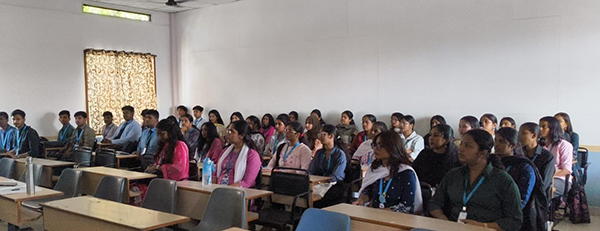
The Department of Forensic Science, School of Biological and Forensic Sciences, Kristu Jayanti (Deemed to be University), successfully conducted an Add on Course on Foundations of Policing for the III Semester B.Sc. FSBTBC students from 14th to 21st July 2026. A total of 70 students benefited from this programme.
The course provided students with a comprehensive understanding of policing, covering topics such as the history and evolution of police systems, organizational structure of the police force, fundamental principles of law enforcement, community policing, and the role of police in maintaining law and order. Through interactive lectures and discussions, students gained valuable insights into the foundational concepts and practical realities of policing.
The programme enhanced students' understanding of law enforcement systems, strengthened their awareness of the police organization's role in society, and highlighted the importance of policing in upholding justice and public safety.
Add on Course on Police Recruitment, Training and Functions
Date: 14 to 21 July 2026
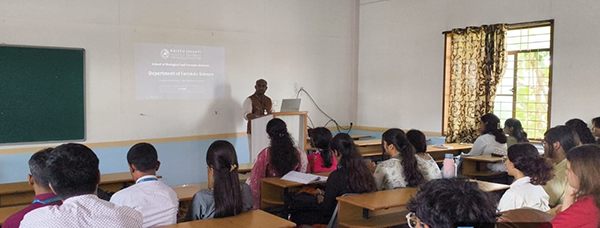
The Department of Forensic Science, School of Biological and Forensic Sciences, Kristu Jayanti (Deemed to be University), successfully conducted an Add on Course on Police Recruitment, Training and Functions for the III Semester B.Sc. FS (A & B Section) students from 14th to 21st July 2026. A total of 117 students benefited from this programme.
The course provided students with a comprehensive understanding of police recruitment procedures, training methodologies, and the diverse functions performed by police personnel. Through interactive lectures and case discussions, students gained valuable insights into the recruitment process, physical and academic training standards, and the operational responsibilities of police officers in society. The programme enhanced students' understanding of the police recruitment and training framework, strengthened their awareness of the functional role of police in law enforcement, and highlighted the significance of well-trained personnel in effective policing and public service.
Value Added Course on Wildlife Crime Investigation
Date: 15 to 22 July 2026
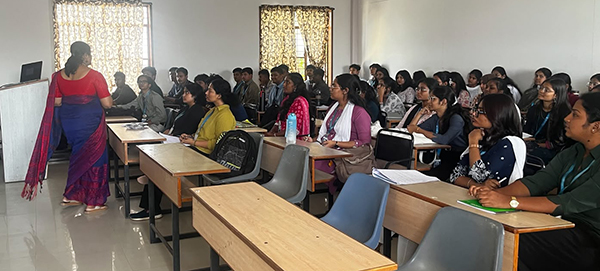
The Department of Forensic Science, School of Biological and Forensic Sciences, Kristu Jayanti (Deemed to be University), successfully conducted a Value Added Course (VAC) on "Wildlife Crime Investigation" for the V Semester B.Sc. Forensic Science students from 15th July to 22nd July 2026. A total of 111 students benefited from this programme.
The course provided students with a comprehensive understanding of wildlife crime, covering topics such as wildlife protection laws, crime scene investigation, evidence collection and preservation, species identification, illegal wildlife trade, and the role of forensic science in wildlife conservation. Through interactive lectures, case studies, and practical sessions, students gained valuable insights into the scientific and legal aspects of investigating wildlife offences.
The programme enhanced students' investigative skills, strengthened their awareness of biodiversity conservation, and highlighted the crucial role of forensic science in combating wildlife crime and supporting environmental justice.
Forensic Audio Analysis - Add-On Course
Date: 14 to 21 July 2026
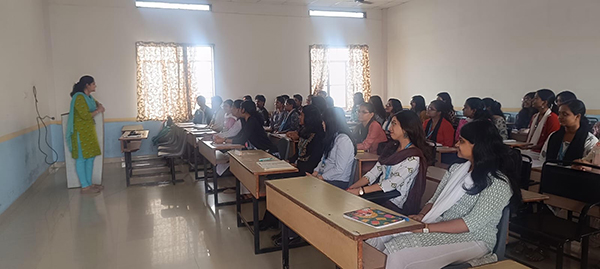
The Department of Forensic Science, School of Biological and Forensic Sciences, Kristu Jayanti (Deemed to be University), successfully organised an Add-on Course on Forensic Audio Analysis for the III Semester B.Sc. FSCRBC students from 14th July 2026 to 21st July 2026. Conducted at M407 and M408, 5th Floor, Science Block, the programme was designed to provide students with foundational knowledge and practical exposure to the scientific examination and forensic interpretation of audio evidence used in criminal investigations. 'A total of 124 students benefited from this programme.
The course aimed to introduce participants to the principles of forensic audio analysis, emphasizing the role of digital audio evidence in modern forensic science and the criminal justice system. Through a combination of lectures, demonstrations, and laboratory sessions, students gained an understanding of the complete workflow involved in forensic audio examination, beginning with the acquisition and preservation of digital recordings and progressing through enhancement, authentication, analysis, interpretation, and presentation of forensic findings.
Throughout the programme, students actively engaged in demonstrations involving digital audio processing software and spectrographic visualization techniques. These sessions strengthened their understanding of audio evidence examination, speech analysis methodologies, and the scientific procedures employed by forensic experts during the investigation of audio recordings. Equal emphasis was placed on maintaining the integrity of digital evidence, following standard forensic protocols, and understanding the significance of scientific documentation in legal proceedings.
The Add-on Course concluded successfully with students acquiring a comprehensive understanding of the principles and practices of forensic audio analysis. The programme significantly enhanced their technical competencies in digital audio examination, forensic phonetics, and evidence interpretation, while reinforcing the Department of Forensic Science's commitment to providing industry-relevant, skill-oriented training that complements classroom learning and prepares students for emerging specializations in forensic science.
30-hour Certificate Course on Digital Forensics
Date: 11 April 2025
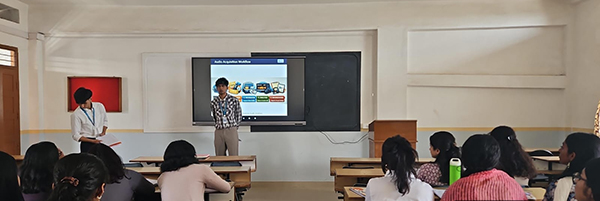
The Department of Forensic Science, under the School of Biological and Forensic Sciences, successfully conducted a 30-hour Certificate Course on Digital Forensics from March 9, 2026 to April 11, 2026. The course was delivered in a hybrid mode, combining both online and offline sessions, and featured expert lectures from professionals working in the field of digital forensics and cybersecurity. The program commenced with an introduction to the fundamentals of digital forensics, highlighting its scope, significance, and legal considerations at both national and international levels. Participants were trained in core forensic processes such as identification, collection, preservation, and documentation of digital evidence to ensure its admissibility in legal proceedings. The course further covered key domains including computer forensics, mobile forensics, and network forensics.
Hands-on sessions enabled students to work with forensic tools for data acquisition, recovery, and analysis. Additional topics such as log analysis, basic malware investigation, and relevant cyber laws were also addressed. The course emphasized both theoretical understanding and practical application, allowing students to gain real-world insights into forensic investigations.
Overall, the course provided a comprehensive learning experience, enhancing students’ technical competencies and preparing them to effectively contribute to digital forensic investigations in both law enforcement and corporate sectors.
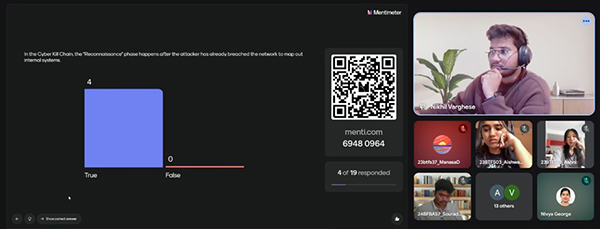
The Department of Forensic Science, School of Biological and Forensic Sciences, conducted a 30-hour Certificate Course in Forensic Anthropology for 44 students of IV and VI Semester B.Sc. Forensic Science and allied disciplines. The course was delivered in a hybrid mode, combining offline sessions (4:30–6:00 PM) with selected online expert lectures. It was structured into two units, each spanning 15 hours, covering both theoretical and applied aspects. The first unit focused on osteology, bone composition, classification, ossification, and detailed anatomy of axial and appendicular skeletons. The second unit emphasized forensic applications such as age estimation, sex determination, stature reconstruction, and comparative skeletal analysis. It also included somatoscopy, somatometry, and craniometry with practical relevance in identification. Students were introduced to facial reconstruction techniques and their limitations. Teaching methods included demonstrations and visual aids for better understanding. A hands-on workshop on March 26 was conducted by Dr. Deepak V from the College of Dental Sciences. The session provided practical exposure to forensic anthropology and odontology techniques. Overall, the course enhanced students’ theoretical knowledge and practical skills in forensic skeletal analysis.
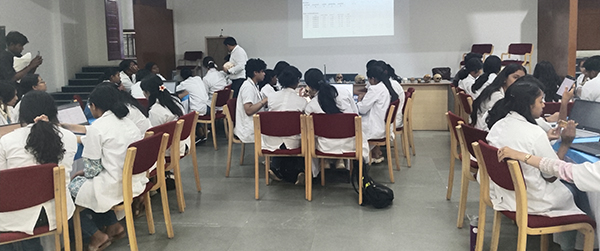
Add-On Course on Introduction to Research Writing
Date: 08 to 19 December 2025
An Add-On Course on Introduction to Research Writing was conducted for M.Sc. Forensic Science students from 08 December 2025 to 19 December 2025, benefiting 59 participants. The programme aimed to strengthen students’ research and academic writing competencies, enabling them to classify different forms of research writing, prepare well-structured academic manuscripts, and evaluate journals using appropriate research metrics for informed publication decisions.
In this course, sessions on research writing, essential research resources such as books, journals, online databases, and virtual libraries were delivered and key aspects of academic writing—including research topic selection, literature review, proposal drafting, citation styles (MLA and APA), research planning, and plagiarism avoidance—were comprehensively covered.
Overall, the programme successfully equipped students with the foundational skills required for effective research writing and meaningful engagement in academic publishing.

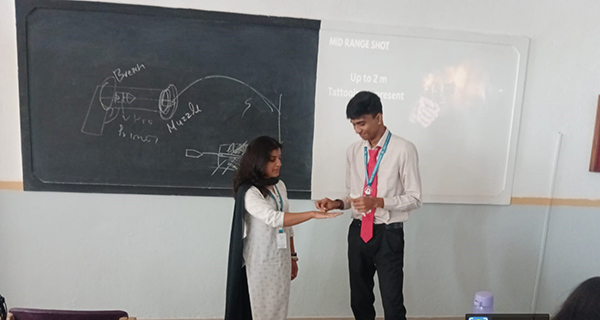
Value Added Course - Firearms and Ammunition
Date: 08 to 12 December 2025
A 30-hour Value Added Course on Immunological Techniques on Forensic Science was conducted for IV Semester B.Sc. Forensic Science, Criminology, and Biochemistry students with the aim of strengthening their understanding of immunological principles relevant to forensic and biomedical applications. The course covered core topics such as innate and adaptive immunity, humoral and cell-mediated immune responses, immune cells and organs, antigens and antibodies, and various antigen–antibody reactions. Emphasis was placed on the relevance of immunology in disease diagnosis, forensic investigations, and public health. The programme effectively integrated theoretical concepts with practical relevance, promoted analytical thinking, and enhanced students’ preparedness for advanced studies and interdisciplinary applications in forensic science and related fields.
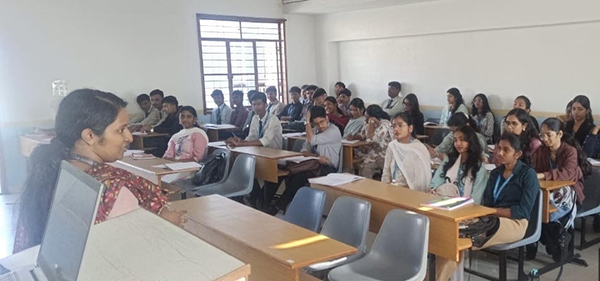
Value Added Course - Firearms and Ammunition
Date: 19 to 24 July 2025
A 30-hour Value Added Course on Firearms and Ammunition was conducted for III Semester FSCRBC students, offering a strong foundational understanding of forensic ballistics that is highly relevant for V Semester Forensic Science students exploring advanced forensic topics. The course covered the structure and operation of firearms, classification of ammunition, and forensic techniques for collecting and analyzing ballistic evidence. Students were also introduced to the principles and procedures of gunshot residue (GSR) analysis. This initiative bridged theoretical concepts with practical applications, encouraging scientific thinking and preparing students for future roles in crime scene investigation and law enforcement.

Value-Added Course on "Research Writing and Publication"
Date: 10 to 15 July 2025
The Department of Forensic Science organized a Value-Added Course (VAC) titled "Research Writing and Publication" from 10th to 15th July 2025 for the III Semester M.Sc. Forensic Science students. The course was conducted in Room M412, Main Block, 4th Floor and aimed to equip students with essential skills in academic writing and the research publication process.
The sessions were conducted by faculty members who guided the students through various aspects of research writing. Key topics included the types and structure of academic writing, with focus on diction, tone, sentence construction, punctuation, and logical coherence. Students were trained in the complete research writing process, from gathering information and creating bibliographies to drafting and formatting a research paper with standard components such as abstract, introduction, methodology, and conclusion.
Special emphasis was placed on the importance of proofreading, ethical research practices, and proper citation methods. The participants were also introduced to globally recognized indexing and citation databases like Web of Science, Scopus, and UGC CARE, along with research impact metrics including impact factor, h-index, and SJR.
The course also featured practical sessions on journal selection tools such as JANE and Elsevier Journal Finder and provided insights into the submission processes of reputed journals like Springer, Elsevier, and SAGE.
This intensive, week-long program was well received by the participants, who found it highly informative and instrumental in developing their academic and research writing competencies. The VAC proved to be a valuable initiative in preparing students for future scholarly contributions and successful engagement with the academic publishing world.
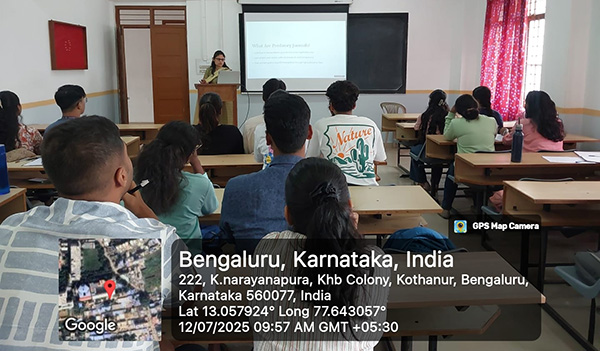
Value Added Course - Firearms and Ammunition
Date: 08 to 12 July 2025
The Department of Forensic Science organized a five-day Value Added Course on Firearms and Ammunition for III Semester B.Sc. Forensic Science Criminology Biochemistry students, offering 30 hours of focused learning in forensic ballistics. The course introduced the structure, classification, and working of standard and improvised firearms, components and types of ammunition, and methods for identifying and analyzing ballistic evidence. Students gained practical insights into the forensic handling of projectiles and cartridge cases, along with exposure to gunshot residue (GSR) analysis using both chemical and instrumental techniques. This initiative strengthened their foundational knowledge and investigative skills, aligning with the curriculum’s emphasis on experiential learning and forensic application.