Counterfeiting of Currency: A Serious Economic Offence
 |
Ritika, 25FRSA43, BSc II Sem A, Department of Forensic Science, Kristu Jayanti University, Bengaluru, India |
Counterfeiting of money refers to the illegal manufacture, possession, or circulation of fake currency with the intention of passing it off as genuine. It is a serious economic offence that directly threatens a country's financial stability, public confidence, and overall economic growth. Counterfeiting is not merely a crime against individuals, but an offence against the nation as a whole.
Counterfeit currency is designed to resemble genuine notes to deceive the public easily. With advances in printing, scanning, and reproduction technologies, counterfeiters can imitate currency with greater accuracy. However, fake notes often fail to replicate key security features of authentic currency.
Legal Framework and Prevention in India
In India, currency counterfeiting is treated as a grave offence under the law. The Reserve Bank of India (RBI), which is responsible for issuing currency, continuously upgrades security features such as watermarks, security threads, micro-lettering, latent images, and colour-changing ink to prevent counterfeiting. Provisions under the Indian Penal Code (IPC) prescribe strict punishments, including imprisonment and fines, for those involved in counterfeiting or circulating fake currency.
Causes of Counterfeiting
Several factors contribute to the circulation of counterfeit money, including easy access to advanced printing technology, the potential for high profits with relatively low investment, lack of public awareness about security features, and the use of fake currency to fund illegal activities.
Impact on the Economy and Society
The circulation of counterfeit currency has serious consequences. It weakens the economy by increasing the illegal money supply, causes financial losses to individuals and businesses, and undermines public trust in the monetary system. Counterfeiting is also often linked to organised crime and, in some cases, activities that threaten national security.
Identification and Control
Counterfeit notes can be identified by carefully checking security features such as watermarks, security threads, raised printing, and ultraviolet (UV) markings. Public awareness is a crucial line of defence. Banks, law enforcement agencies, and the central bank work together to detect, report, and remove fake currency from circulation.
A Notable International Example
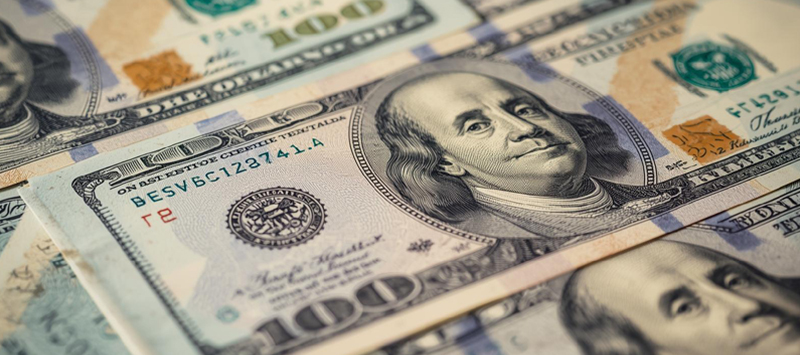
One well-known international case is the circulation of highly sophisticated fake U.S. dollar notes, often referred to as "Super-dollars." These notes were exceptionally difficult to detect due to their high-quality paper, accurate printing, and close resemblance to genuine currency. In many instances, they were identified only through advanced forensic examination rather than visual inspection, highlighting the growing sophistication of counterfeiting methods.
Counterfeiting of money is a serious economic offence that threatens a nation's financial integrity. Combating this crime requires strict enforcement of laws, continuous improvement of currency security features, and widespread public awareness. By remaining vigilant and informed, individuals can play an important role in preventing the circulation of counterfeit currency and protecting the economy.