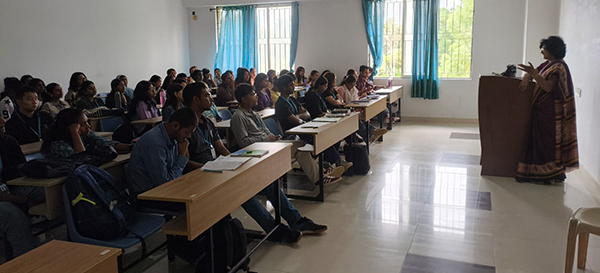
VAC and Life Skills
Capacity Building Training on Life Skills (PG)
Date: 25 to 28 July 2025
The Department of English, in collaboration with the Centre for Life Skills Education (CLSE), organised a Capacity Building Training on Life Skills for I MA English Literature students from 25 July to 28 July 2026. The four-day programme was designed to strengthen students' personal, academic, and professional competencies by fostering essential life skills required for holistic development and lifelong learning. The sessions focused on key areas such as self-awareness, empathy, critical and creative thinking, problem solving, decision making, effective communication, interpersonal relationships, emotional well-being, stress management, and the practical application of life skills in everyday life. Through interactive discussions, experiential learning activities, case studies, reflective exercises, and collaborative tasks, the programme encouraged active participation and meaningful engagement among the students. The training enhanced participants' leadership potential, emotional resilience, adaptability, teamwork, and ethical decision-making, equipping them to navigate the dynamic demands of higher education, research, and professional environments with confidence. The initiative reaffirmed the Department's commitment to providing learner-centric educational experiences that complement academic excellence with essential transferable skills, thereby preparing students to become competent, responsible, and socially conscious professionals.
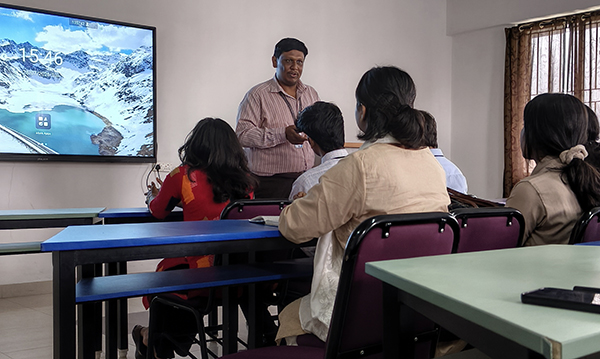
Capacity Building Training on Life Skills
Date: 23 to 27 July 2025
The Department of English, in collaboration with the Centre for Life Skills Education (CLSE), organised a Capacity Building Training on Life Skills for I Semester BA English Literature and PYEN students from 23 July to 27 July 2026. The five-day programme was designed to equip students with essential life competencies that contribute to their holistic development, personal effectiveness, and professional preparedness. The sessions covered a wide range of topics, including Introduction to Life Skills, Self-Awareness, Empathy, Creative Thinking, Critical Thinking, Problem Solving, Decision Making, Effective Communication, Interpersonal Relationship, Coping with Emotions, Coping with Stress, and the Use of Life Skills in Everyday Life. The training adopted an experiential and learner-centred approach through interactive discussions, reflective exercises, role plays, collaborative activities, and case studies, enabling students to actively engage with the concepts and apply them to real-life situations. The programme fostered emotional resilience, critical and creative thinking, effective communication, collaborative learning, ethical decision-making, and interpersonal competence, thereby strengthening students' ability to navigate academic, professional, and social environments with confidence and responsibility. The enthusiastic participation of the students reflected the effectiveness and relevance of the training, making it a meaningful initiative in promoting lifelong learning, leadership qualities, adaptability, and responsible citizenship. The programme reaffirmed the Department's commitment to providing transformative learning experiences that complement disciplinary knowledge with essential transferable skills, preparing students to meet the evolving demands of higher education, the workplace, and society.
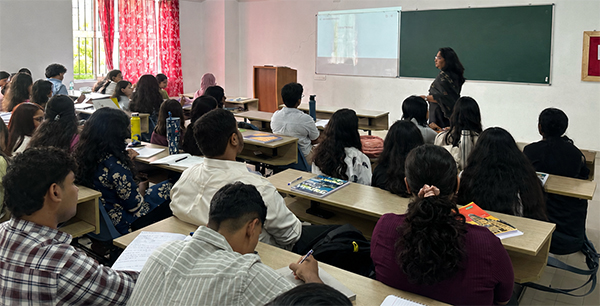
Life Skills Education Training for the Students
Date: 25 to 29 July 2025
The Department of English organised Life Skills Training for the students of I MA English Literature from 25th July 2025 to 29th July 2025. The training programme focused on ten vital life skills including self-awareness, empathy, creative and critical thinking, problem solving, decision making, communication, interpersonal relations, coping with emotions, and coping with stress. Each session was conducted by experts who combined theory with interactive activities, reflective exercises, and real-life examples. Students explored strategies to improve communication, decision making, and emotional regulation. The sessions highlighted the importance of empathy, creativity, and problem solving in everyday life. Overall, the programme enriched students’ personal growth and professional competencies.
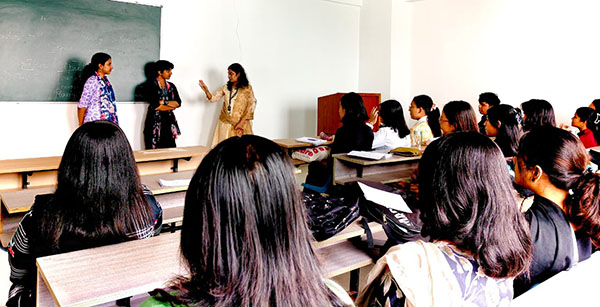
Value-Added Course on Multimodality and the Future of Communication
Date: 10 to 15 July 2025
The Department of English conducted a Value-Added Course titled ‘Multimodal Writing’ from July 10 to 15, 2025, for II MA English Literature students. The course introduced students to the principles and practices of multimodal communication, highlighting how meaning is conveyed through linguistic, visual, aural, spatial, and gestural modes. The sessions covered key areas such as evolving literary forms, from print to digital, including hypertext narratives, fan fiction, and gamified storytelling as well as professional writing formats like blogs, podcasts, digital portfolios, and infographics. Students were also introduced to new media technologies, content creation tools, and AI-based platforms that are shaping modern communication. The course concluded successfully, enriching students’ understanding of multimodal literacy and preparing them for dynamic academic and professional environments.
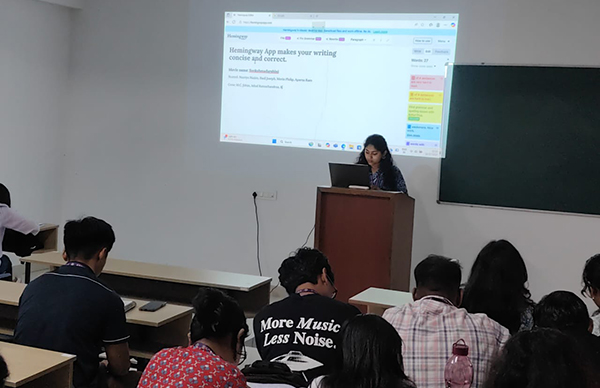
Value Added Course titled “Wisdom and Wonder in Indian Knowledge System and Mythology”
Date: 08 to 12 July 2025
The Department of English, Kristu Jayanti Deemed to be University, organized a Value Added Course titled “Wisdom and Wonder in Indian Knowledge System and Mythology” from 8th July 2025 to 12th July 2025 for III Semester B.A. English students and Students of JOPYEN A & B. The course was conducted in venues H302 and H304, the course aimed to introduce students to the depth of Indian Knowledge Systems (IKS) through classical and regional narratives such as Panchatantra, Jataka tales, and epics, while also exploring the relevance of IKS in present education system. A total of 121 students participated in this engaging academic initiative.The course integrated interactive lectures, discussions, and reflection-based activities, fostering ethical thinking and cultural appreciation. Students were assessed through an LMS-based examination, and feedback was collected from all participants. The course was well-received, with students appreciating its unique blend of tradition and modernity. It successfully enhanced learners’ cultural literacy and critical insight, aligning with the department's commitment to holistic education.