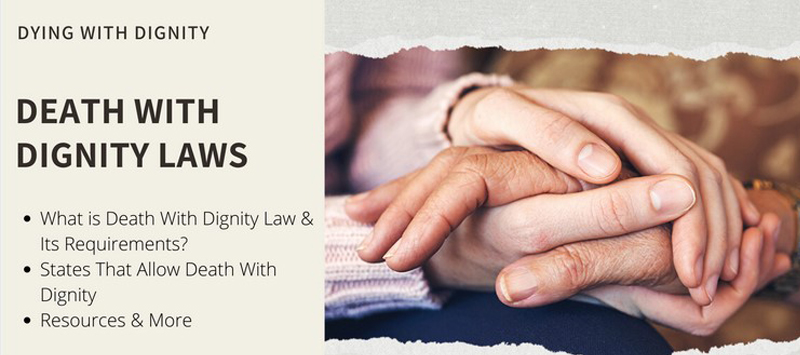
Death with Dignity: A Contemporary Legal Debate
The question of “death with dignity” doesn’t feel like a purely legal issue when you really think about it, it feels human. It’s about pain, choice, and the quiet desire for control at the end of one’s life. For someone facing a terminal illness or irreversible suffering, the idea of prolonging life at any cost may not always feel like justice.
Indian courts have gradually tried to respond to this reality. The turning point came with the Aruna Shanbaug Case, where passive euthanasia was permitted under strict safeguards. This was later expanded in Common Cause vs Union of India, where the Supreme Court acknowledged that dignity in death is as important as dignity in life, and recognized living wills as a valid expression of a person’s choice.
More recently, Harish Rana vs Union of India highlighted a different concern, the gap between law on paper and its actual implementation. It pushed the conversation toward making these rights more practical and accessible.
Even now, the debate isn’t settled. There’s always a tension between compassion and caution. But at its core, this issue reminds us that the law is not just about rules it’s about people, and the dignity they carry, right until the very end.