Designing User-Friendly Interfaces for Business Intelligence Tools
 |
Khushi Shukla, 23LSCG23, BCom VI Sem G, Department of Commerce, Kristu Jayanti University, Bengaluru, India |
In today’s data-driven business environment, organizations rely heavily on business intelligence tools to make informed decisions. However, have we ever considered how easily users can interact with these tools? The actual value of business intelligence depends not only on the quality of data but also on how effectively it is presented to users. Designing user-friendly interfaces for business intelligence tools ensures that complex data is transformed into simple, clear, and actionable insights. A well-designed interface reduces confusion, saves time, and allows users from different business backgrounds to understand information without requiring advanced technical expertise. This accessibility encourages more employees to use data in their daily decision-making processes actively.
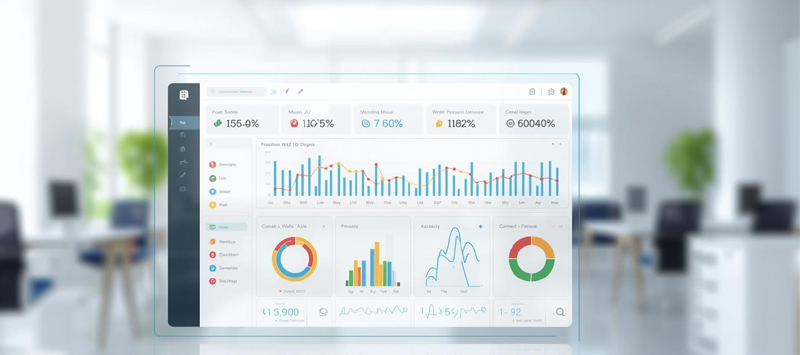
Business analytics is closely connected to user-friendly business intelligence interfaces because analytics converts raw data into meaningful patterns, trends, and insights. When these insights are displayed through intuitive dashboards, interactive charts, and visually appealing reports, decision-makers can quickly interpret information and act with confidence. Why should data-driven decisions feel complicated when they can be made simpler through good design? User-friendly interfaces bridge the gap between data analysts and business users by enabling faster access to key metrics, real-time performance tracking, and easy customization of reports. This not only enhances cross-departmental collaboration but also ensures that analytical insights are applied effectively throughout the organization.
From both customer and business perspectives, user-friendly business intelligence tools create a strong and lasting impact. Customers benefit through quicker responses, personalized services, and improved overall experiences, as businesses can better understand customer behavior and preferences. For organizations, these tools reduce dependency on technical teams, lower training costs, and increase user adoption across all levels of the organization. As a result, data becomes a shared resource rather than a technical barrier. In conclusion, designing intuitive and accessible interfaces for business intelligence tools is crucial in business analytics. It empowers users to turn data into actionable insights, strengthens decision-making capabilities, and supports long-term business growth in a competitive market.