Power, Oil, and Order: Law in the Shadow of Gulf Tensions
The ongoing tensions in the Gulf region have placed international law under intense pressure. Modern conflicts are no longer confined to land borders; they affect global trade, energy , security, and civilian life across continents. What makes the current situation significant is not just the military actions taking place, but the legal consequences that follow them.
One of the most sensitive areas in the present conflict is the Strait of Hormuz, a narrow maritime route that carries a large share of the world’s oil supply. Any threat to shipping in this region creates immediate ripple effects across the global economy. International maritime law clearly protects the freedom of navigation and the safety of civilian vessels, yet wartime tensions often challenge these protections. When commercial ships are targeted or restricted, it raises serious legal concerns about violations of international norms
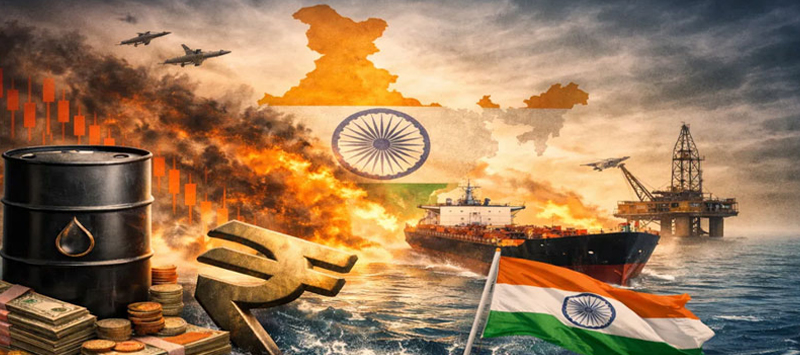
For India, the situation carries direct importance. A significant portion of India’s crude oil imports and trade passes through Gulf waters. Any disruption in this region can increase fuel prices, affect industries, and place pressure on the national economy. This makes stability in the Gulf not just a regional concern, but a matter of national interest for countries that depend on uninterrupted maritime trade.
From my perspective , conflicts like this show that law is not just theory written in textbooks. It is a living system that must constantly adapt to protect peace, regulate power, and ensure that even in times of war, justice does not lose its voice.